
Five Home Insurance Nightmares to Avoid
December 17, 2025
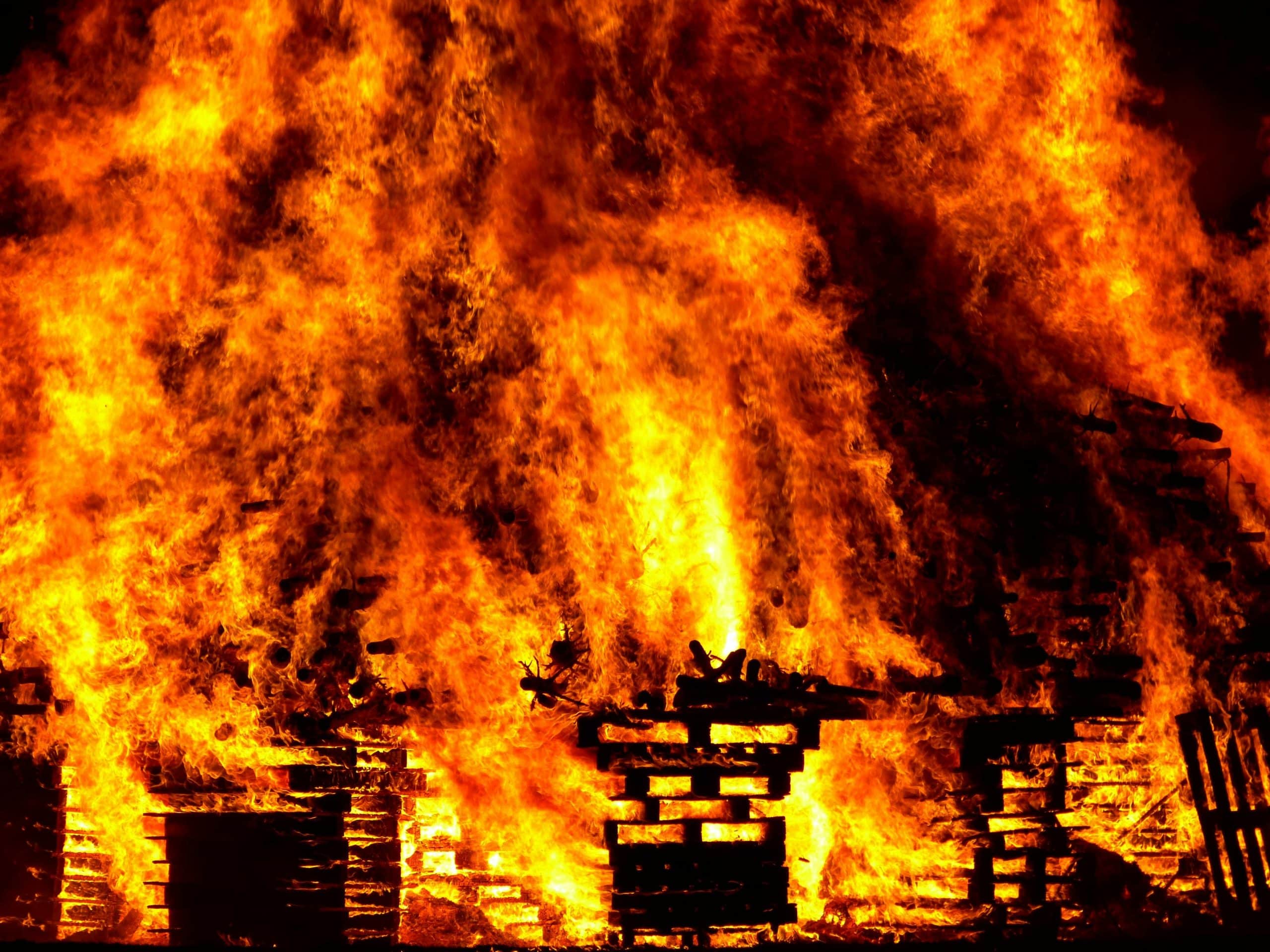
It used to be so easy… getting fire insurance for a home was just a matter of a five-minute phone call to your insurance broker. “Need a policy? No problem! $100/month, site unseen”. Consequently, when a client was purchasing a property, securing an insurance policy was one of the last things they had to do before closing escrow because it was essentially a rubber stamp.
Oh, how times have changed.
Thanks to the horrific and catastrophic wildfires in California that have grown in frequency and intensity over the past decade, insurance companies are reeling from the losses that they have incurred. Combine that with the ongoing political battle between the insurance companies and the Insurance Commissioner of California, and many of the major players have simply pulled out of the California market and are no longer offering home insurance policies here. Those few that remain have jacked up their premiums and have made the process of getting an insurance policy just about as difficult as buying a house in the first place.
Below, I will outline the top five conditions that could make your house difficult to insure, or completely uninsurable. As I stated above, these conditions apply to all homes — regardless of whether you're just purchasing it, or have owned it for years.
#1: Knob and Tube Wiring.
Before the creation of non-metallic (NM) sheathed cables like Romex that are used today for home wiring, older homes were wired with a technique known as “knob and tube”. As the name implies, knob and tube wiring uses individual, cloth-insulated copper wires supported by porcelain knobs (to keep wires apart and away from wood) and run through porcelain tubes (as conduits in joists/studs) for insulation, with cloth loom protecting any entry points.
Many years ago, this was a perfectly acceptable method to wire a house, because homes were much smaller then, and they drew far less electricity. But as homes grew larger and more electrified, two main flaws with this method became very apparent:
- Knob and tube wiring is not grounded. There are only two wires in a knob-and-tube configuration — a hot wire and a neutral wire. The lack of a true earth-ground creates a shock and fire hazard, not to mention a potential hazard to your 90″ flatscreen TV.
- Cooling. Knob and tube wiring relies on open air to cool the wires. But many homeowners, in attempt to make their homes more energy efficient, will simply roll insulation over the top of the wires, thus eliminating the natural cooling effect and making the home much more susceptible to fire.
The visible evidence of knob and tube wiring is enough for some insurance companies to deny coverage. Others will offer “conditional” coverage, which requires the homeowner to retrofit the old wiring with Romex (or an equivalent) within a few months of taking ownership.
To make matters even more challenging (and expensive), updating the wiring in an older house to a three-wire system (hot, neutral, and ground) may necessitate the replacement of the entire electrical panel — especially if the panel has fuses and not modern breakers. That can add another $10K or $15K to the project.
#2 Wood Shake Roofing.
We probably all grew up in a house with a wood-shingle roof. Remember how sexy they looked when they were first installed?? Well, those very same roofs are a huge no-no with insurance companies today because of their combustibility during a wildfire. As we witnessed in the devastating wildfires last year in Southern California, hot embers can be blown for miles before they land — and the last place they need to land is on a dry, wooden roof.
Almost all new construction utilizes either composition tar-and-gravel shingles, tile, or metal as the roofing material of choice. All of them have excellent fire resistance and are approved by the insurance companies. There are instances where they will approve a wooden-shake roof, but the wood must be new and specially treated, and even then, not every insurer will take on that liability.
If you own a home that has an older wooden shake roof, or if you are considering buying a home that has one, there is one thing for certain — the insurance company is going to make someone re-roof that house.
#3: Galvanized Water Pipes
Insurance companies don't just hate fire. They also hate anything related to water, because it can also wreak significant damage to a house. Most, if not all, houses that were built between 1940 and 1960 utilized galvanized steel pipe for the home's water supply. The problem with galvanized pipe is that over time, these pipes will not only corrode, but mineral deposits will build up that restrict the flow of water, which then puts even more pressure on the pipes.
If one of those old corroded pipes is a water supply line, it's handling anywhere from 70-100 PPSI of pressure, which means a whole lot of water is going to flow unabated if that line breaks, and that can do a LOT of damage to a house. Consequently, contractors started using copper piping for water lines back in the 1960's, and it's standard building practice today.
While we are on the subject of water, I've also heard that some insurance companies will require homeowners to install a smart water shut-off valve where the water main meets the house. These valves will quickly sense an unabated flow of water in the house and will automatically shut off the water to avoid any further damage.
#4: Fire Zoning
Every neighborhood in California is evaluated and ranked according to its susceptibility to wildfire. If a home is determined to be in a high or very high fire hazard severity zone (FHSZ), then your odds of securing a regular home insurance policy just dropped to zero. In fact, the only option for most homeowners in these kinds of neighborhoods is the California Fair Plan, which, as anyone who has one of these policies will tell you, is anything but fair.
Luckily, nearly all of San Carlos is not in a high or very high fire severity zone. It really impacts more wooded areas like Portola Valley, Woodside, and the homes along Skyline.
#5: Code Violations
Fire and water damage aren't the only things that your home policy covers. Most policies have a liability rider, which is intended to protect the homeowner against lawsuits for bodily injury or property damage that may happen to someone else on the property, such as a dog bite, or if someone falls and is injured.
Consequently, when an insurance inspector conducts a site audit, they look for things that could pose trip-and-fall hazards, such as staircases with no handrails or balconies that are in poor condition. Just like with old wiring and shake roofs, they will usually mandate that the problem be remedied as a condition of coverage.
Aggressive Enforcement On Existing Homes.
The focus of this topic is not just directed toward new home buyers who are scrambling for insurance. Insurance companies are aggressively ramping up compliance audits of their existing home policies as well, even if the home hasn't changed hands in years.
Last year, just after a rainstorm, the insurance company for one of my clients flew a drone over her house and noticed a slight bit of puddling on a portion of her roof. They issued an immediate cancellation of her policy — one she had kept in good standing for at least eight years. Luckily, she was able to get another policy in place after some extensive searching.
But the message is pretty clear that even current homeowners are not exempt from enduring home insurance nightmares, as the big companies look to extract themselves from California.
The message is also clear if you are thinking about selling your home in the coming years: You just might want to get out in front of this crisis by proactively updating your home before you list it. It will certainly make your home more insurable, which thus makes it far easier to sell.
Do you have an insurance nightmare story? Tell us in the comments!
Posted in: