
Real Estate 101: The 411 on “Rent-Backs”
January 15, 2026
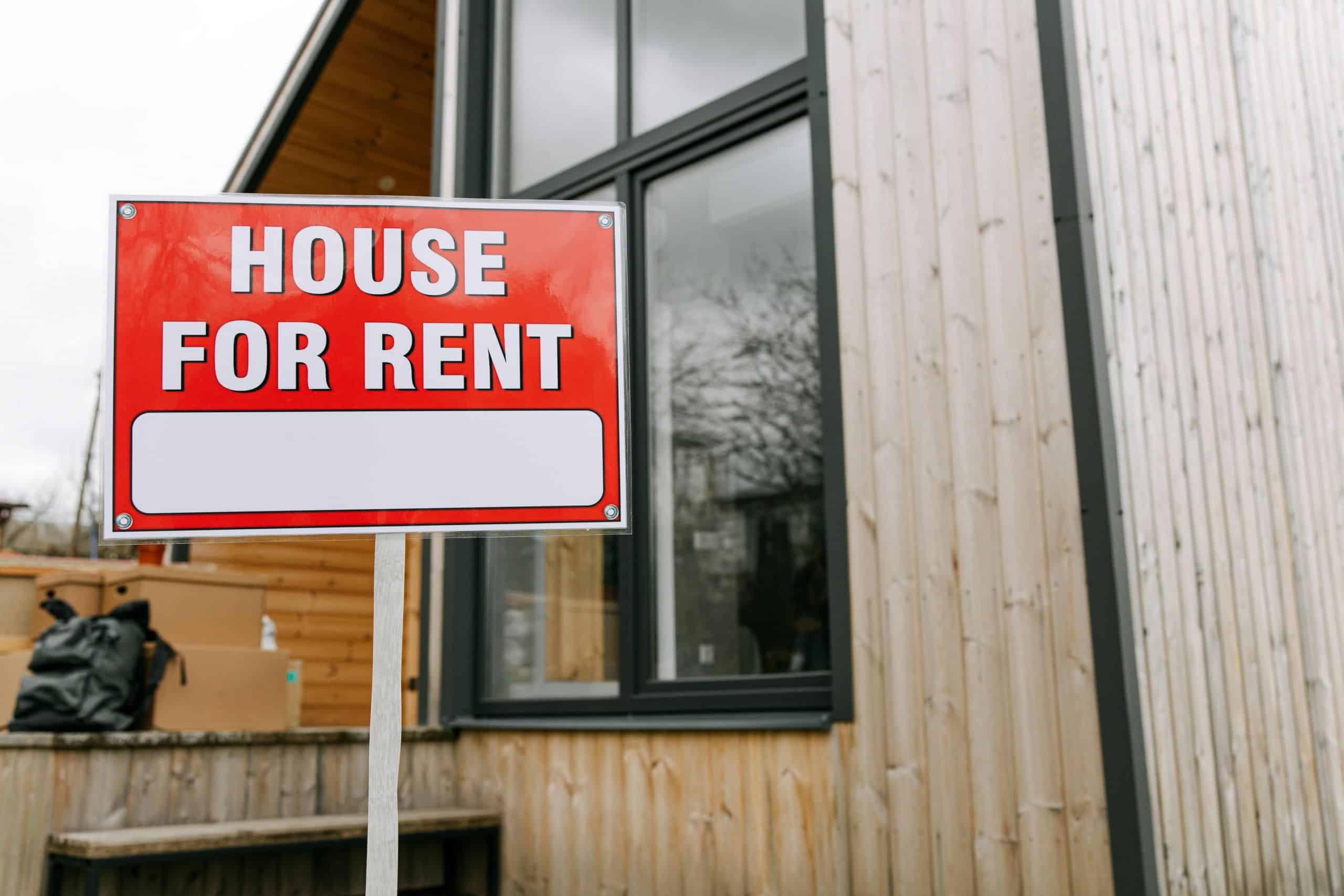
Quite often, when a homeowner decides to sell the home that they are still occupying, they may want or need to remain in their house for a period of time after the sale closes escrow — even though they would technically no longer be the owners of that house. They may need extra time to pack and move all their belongings, or more runway may be required until their replacement property is available, or they simply want to stay put until the end of the school year for their kids.
Whatever the reason may be, this need arises frequently in real estate transactions, and in a hot seller's market like we've been experiencing for the past few decades, buyers are more than willing to extend this courtesy to the sellers if it enhances the chance of getting their offer accepted.
In the industry, this practice is commonly referred to as a “rent-back“, which is a rather poor name for it, because, as you'll see below, the definition and the rules vary widely depending on how long the seller needs to remain in the house.
Time is Key.
By far the most consequential element to consider when extending this courtesy to a seller is not the money. It's time. Why? Because the longer the period of time that the seller wishes to remain in the house, the more complex and restrictive the process becomes.
FIrst of all, can there be limitations on how much time you can allow the seller to remain in the home after the sale closes? Absolutely. If you're taking out a loan to purchase the home, the banks will almost universally limit that period of time to 59 days after the sale closes escrow.
That may seem like a random number, but there's a logical reason behind that limitation. The interest rate that lenders charge for primary residence purchases is less than the interest rate for an investment property, like a rental or a vacation home. So when the occupancy period extends to 60 days or longer, it appears to the bank that you are using the home as a rental property, and not your primary residence.
Note that this limitation does not apply if you're paying cash for the house and no lender is involved. In that case, you can negotiate whatever period of time that you wish.
But if you fall under that 59-day limitation, there is another time constraint that is very important to understand, because it significantly changes the definition, and potentially the legal ramifications, of the seller's occupancy. And that all pertains to how the State of California defines a “leasehold”.
A License Versus A Lease.
If you're considering allowing the seller to stay in the home that you are purchasing after the sale closes, the general rule of thumb is this: The shorter the period, the better. As defined by law, an occupancy like this that is 29 days or shorter is just considered to be a license to occupy the property, while anything from 30 days onward is considered to be a full-blown lease.
That may just sound like semantics, but it's not. When the occupancy is considered to be a license to occupy, i.e. 29 days or less, there is no landlord-tenancy relationship established because it's not considered to be a lease. You're simply granting a “license” for someone to live in your home for a short, defined period of time. You specify how much, if anything, you're charging for the stay and the duration of the stay. The entire agreement is memorialized in a single-page document called the Seller License to Remain in Possession (SIP) that covers these items, plus the basic obligations of both the buyer and the seller during the occupation. Pretty straightforward, right?
When the occupancy is granted for longer than 29 days, it is considered by law to be a lease – just as if you were renting your home to someone for a year or longer. The fact that it's only 29-59 days doesn't change the definition or the legality.
Why is this important? If you own investment property in California, then you know that this state tends to very tenant-friendly. There have been numerous laws passed regarding eviction protection (AB1482), or the fact that a leased home must now have a refrigerator and a stove, just to name a few. To give you just a inkling of the increased complexity of a lease compared to a license, the form that we use for an occupancy that lasts beyond 29 days is referred to as a Residential Lease After Sale (RLAS). It is eight full pages of conditions, versus the single-page for the aforementioned SIP form.
Security Deposits.
One good example among many of how these two occupancies differ is in how security deposits are handled, and this differentiation becomes even more pronounced when the buyer of the property is agreeing to let the seller occupy the property at no charge — something that happens quite frequently in a hot sellers market. Buyers will often grant a free rent-back to sweeten their offer if they are in a competitive bid.
That creates a potential problem because in a lease, because the most that a landlord can charge for a security deposit is one month's rent. But if there is no rent being charged, the landlord cannot legally require a security deposit of any amount from the occupant.
In contrast, this does not apply to a license agreement of 29 days or less. The buyer can charge a “Delivery of Possession Fee” of any amount that acts in place of a security deposit — even if they are not collecting any sort of license fee (rent) from the seller. There's no restriction, nor any relation to how much rent is being charged.
Key Takeaways
When you are buying a home, you may be asked to allow the seller of the home to stay in the property for a period of time after the sale closes escrow. Here are the key points to remember:
- An occupancy of 29 days or less is considered a license, and not a lease, and therefore is not subject to landlord-tenant laws.
- An occupancy of greater than 29 days is considered a lease, and is subject to landlord-tenant laws.
- If you are funding the purchase with a bank loan, the longest lease most banks will allow is 59 days after escrow closes.
- If you are paying cash, there is no limitation.
- Be sure to understand if the seller needs to remain in the property before you present an offer to purchase the property, because there are obviously financial and timeline considerations for you as the buyer. All too often, an unscrupulous or even unorganized listing agent will come back after your offer has been accepted with “Oh, by the way, the seller needs to stay in the property after the close of escrow”.
Offering the seller the ability to say in their home after the sale closes is a great gesture, and one that may be the deciding factor on whether they accept your offer over a competing one. But it's very important to know what your options are, and how they can vastly differ from each other.
I have assisted many buyers over the years in negotiating seller-occupancy contracts for homes that they just purchased, and while it's extremely rare for problems to occur in these situations, it's good to know your rights.
(Author's note: This article is intended solely as informational, and does not constitute legal advice. If you have in-depth questions about leases or licenses, or if you are having a problem with an occupant, you should contact a licensed California Real Estate Attorney that specializes in leases.)
Posted in: